What Does an Arborist in Palm Bay FL Do and Why Should You Hire One for Tree Pruning

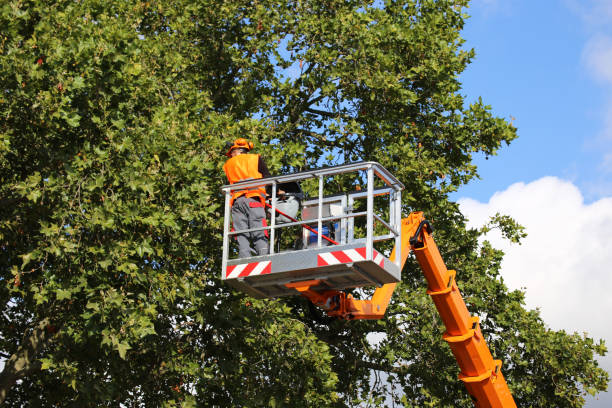
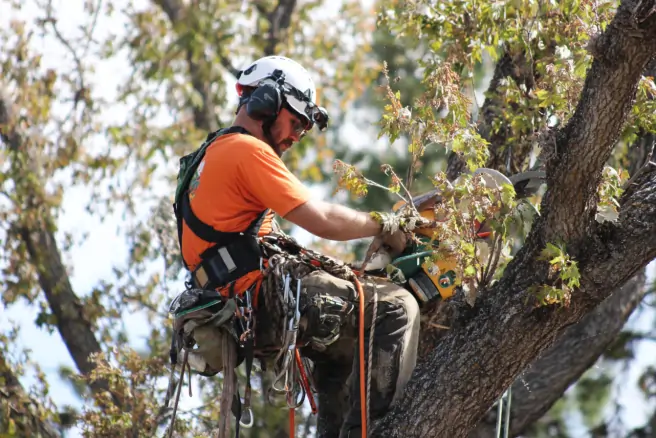
Arborist at work stock photo

Tree pruning is essential for maintaining the health, safety, and appearance of your trees. While some property owners may attempt to tackle this task on their own, enlisting the expertise of an arborist ensures that the job is done efficiently and correctly. But what exactly does an arborist do, and why is their role so critical?

The Role of an Arborist

  • Tree Health Assessment
    Arborists examine trees to detect signs of disease, pest infestations, or nutrient deficiencies. Early detection allows them to recommend targeted treatment plans that prevent further damage.
  • Tree Pruning
    Proper pruning requires more than cutting branches at random. Arborists prune trees with precision to improve structure, enhance growth, and remove hazardous limbs while preserving tree health.
  • Risk Management
    Trees can pose safety risks if they are damaged or unstable. Arborists evaluate potential hazards—such as weak branches close to structures—and provide solutions, including targeted pruning or removal.
  • Disease Diagnosis and Pest Control
    Identifying tree diseases can be challenging without proper training. Arborists not only diagnose these issues but also apply safe treatments or recommendations tailored for each species.

Reasons to Hire an Arborist for Tree Pruning

  1. An arborist understands a tree’s biology and structure. This knowledge helps them determine which branches should be removed without compromising the overall health of the tree.
  2. High branches or large limbs can be dangerous to cut without specialized equipment or training.
  3. Arborists follow industry standards for safety protocols when working at heights or near power lines.
  4. Professional-grade tools such as pole saws, climbing gear, and hydraulic lifts are used by certified arborists for efficient work.
  5. Homeowners often lack access to such advanced tools needed for complex pruning jobs.
  6. Every tree species has unique needs regarding pruning frequency and techniques.
  7. An arborist considers factors like growth patterns, seasonal timing, and environmental conditions before recommending care plans.

Benefits of Professional Tree Pruning

Benefit Explanation
Enhanced Growth Removing deadwood directs energy toward healthy growth areas
Improved Safety Eliminating weak limbs reduces risks during storms
Disease Prevention Pruned trees are less likely to harbor pests or infections
Longer Lifespan Routine maintenance fosters strong root systems & overall vitality

Hiring an experienced arborist ensures both routine care tasks like pruning and complex interventions are handled with precision. This leads not only to healthier trees but also safer properties equipped with resilient landscaping features that thrive over time.

Tree Pruning Service Palm Bay FL: Comprehensive Guide for Healthy Trees

Tree trimming and pruning are essential practices for maintaining the health, appearance, and safety of trees. Proper pruning promotes healthy growth, prevents potential hazards such as falling branches, and enhances the overall structure of the tree. This guide provides a detailed overview of tree trimming and pruning to help you care for your trees effectively.

Benefits of Tree Pruning

  • Improved Tree Health: Removing dead or diseased branches prevents the spread of decay or disease within the tree.
  • Enhanced Growth: Trimming excess or crossing branches allows sunlight and air to penetrate the canopy, encouraging new growth.
  • Structural Stability: Proper pruning reduces the risk of branch failure by ensuring a strong structural framework.
  • Safety Considerations: Eliminating weak or overhanging branches minimizes risks to property, people, or power lines.

Types of Tree Pruning

  1. Removes smaller, weak branches from the crown.
  2. Improves airflow and reduces canopy density.
  3. Helps prevent damage from wind or heavy snow.
  4. Focuses on removing dead, dying, or decayed wood.
  5. Reduces risk from falling branches while promoting tree health.
  6. Removes lower limbs to increase clearance for vehicles, pedestrians, or structures.
  7. Enhances aesthetic appeal by creating a balanced look.
  8. Reduces the overall size of the canopy without compromising its shape.
  9. Useful when space constraints require controlling a tree’s height or width.
  10. A more intense method that involves cutting back all branches to promote a dense head of foliage as they regrow.
  11. Typically used for specific species or in urban environments.

When Should You Prune Your Trees?

  • Dormant Season (Late Winter/Early Spring)
    Most trees benefit from pruning during their dormant period when they are not actively growing. This minimizes stress on the tree and reduces sap loss.
  • After Storm Damage
    Any damaged limbs should be removed promptly to prevent further injury to both the tree and its surroundings.
  • Avoid Heavy Pruning During Active Growth Periods
    For most species, extensive trimming during mid-summer can weaken their ability to recover fully.
Type of Tree Best Time for Pruning
Deciduous Trees Late winter before new growth
Evergreen Trees Late winter/early spring
Flowering Trees After blooming (specific species)

Tools Needed for Effective Pruning

  • Hand pruners for small branches (less than 1 inch in diameter).
  • Lopping shears for medium-sized limbs (up to 2 inches).
  • Pruning saws for larger cuts requiring precision.
  • Pole pruners/extensions for higher branches without climbing equipment.

Always ensure tools are sharp and sanitized between uses to avoid spreading disease.

Key Considerations Before You Begin

  1. Assess whether professional assistance is necessary—especially if working near power lines or with large trees requiring climbing equipment.
  2. Familiarize yourself with your local regulations regarding protected tree species or restricted cutting periods.
  3. Avoid over-pruning; excessive removal can stress a tree significantly and make it susceptible to pests or diseases.

By following these guidelines carefully, you can help keep your trees healthy while ensuring their beauty enhances your outdoor space effectively year-round.

Two lumberjacks cut down a tree on the platform stock photo

Expert Tree Removal Palm Bay FL: Why Hiring an Arborist Matters

Proper tree care is crucial for maintaining the health, safety, and aesthetic value of your property. While some homeowners may attempt to handle tree pruning tasks on their own, hiring a certified arborist ensures that your trees receive professional attention tailored to their specific needs. Below, we explore the importance of engaging an arborist for tree care and pruning.

What Is an Arborist?

An arborist is a trained professional who specializes in the cultivation, management, and study of trees and shrubs. Certified by organizations such as the International Society of Arboriculture (ISA), arborists possess expertise in tree biology, pest management, soil science, and proper pruning techniques.

  • Assessing tree health and diagnosing issues like disease or pest infestations.
  • Recommending treatments to promote growth or preserve mature trees.
  • Performing specialized services such as pruning, cabling, bracing, and planting.
  • Ensuring safety by removing hazardous limbs or trees near structures and power lines.

Why Professional Tree Care Matters

  1. Arborists use techniques like thinning cuts or reduction cuts that promote healthy growth without causing undue stress to the tree.
    • Excessive removal of foliage (“topping”), weakening the tree.
    • Improper cuts leading to decay or disease entry points.
  2. Enhanced Tree Health
    Arborists assess factors such as soil conditions, root systems, and environmental stresses before implementing care plans. Their holistic approach helps ensure:
  3. Long-term structural integrity.
  4. Balanced canopy development for optimal sunlight exposure.
  5. Safety Considerations
    Tree care involves significant risks when done improperly. Professionals mitigate dangers by:
  6. Using specialized equipment for elevated work.
  7. Preventing accidental falls or damage to nearby structures.
  8. Pest and Disease Management
    Certified experts can identify early signs of infestations or diseases that might be overlooked by untrained eyes. They offer targeted solutions like:
  9. Applying safe insecticides or fungicides.
  10. Removing infected branches to halt disease spread.

Benefits Over DIY Approaches

Homeowners attempting DIY methods often lack the knowledge required to achieve optimal results safely and effectively.

Aspect DIY Approach Hiring an Arborist
Knowledge & Training Limited understanding Specialized education & expertise
Tools Basic tools Advanced equipment & techniques
Risk Mitigation Higher risk of accidents Trained in safety protocols
Tree Longevity Possible long-term damage Sustainable growth strategies

When Should You Hire an Arborist?

  • Trees with overhanging limbs threatening roofs or utility lines.
  • Visible signs of disease (e.g., fungal growths on bark) or pest activity (e.g., boreholes).
  • Storm-damaged trees with split branches requiring immediate attention.
  • Large-scale pruning tasks requiring skillful execution.

When entrusting your trees to a certified arborist, you’re investing in both their health and your property’s overall aesthetic appeal. Quality professional care not only resolves immediate concerns but also provides preventative maintenance for years ahead.

Palm Bay Tree Service: Expert Tree Cabling and Bracing for Long-Term Health

Tree cabling and bracing are essential techniques used to ensure the structural integrity and longevity of trees. These methods provide additional support to weak or compromised branches, helping trees withstand environmental stressors such as strong winds, heavy snow, or storms. Understanding when and why to implement cabling and bracing can make a significant difference in maintaining the health of your trees.

When is Tree Cabling and Bracing Necessary?

  • Split or Weak Branch Unions: When two or more branches grow at narrow angles, the union between them may be weak and prone to splitting.
  • Mature Trees with Heavy Limbs: Over time, some large limbs can become too heavy for a tree’s structure to support.
  • Trees with Decay or Damage: Cavities, cracks, or other signs of decay in the trunk or branches might compromise stability.
  • Preventative Support for High-Risk Trees: Trees situated near homes, sidewalks, parking areas, or other structures can benefit from preventative measures.

By identifying these vulnerabilities early on, property owners can take proactive steps to protect their trees from potential damage.

The Cabling Process

Cabling involves installing flexible steel cables between branches or within a tree canopy to limit excessive movement. This technique redistributes mechanical stress evenly across various parts of the tree.

  1. Arborists inspect the tree’s condition to determine weak points requiring support.
  2. Hardware such as eye bolts is secured into strong portions of the tree’s structure.
  3. Flexible steel cables are attached between limbs to provide stability while allowing limited natural movement.
  4. Regular inspections ensure that cables remain effective over time without causing damage to the tree.

The Bracing Process

Bracing is often used in combination with cabling when additional reinforcement is needed for weakened sections of a tree. It involves inserting rigid rods into critical areas like trunks or large limbs.

  • Drilling Support Rods into Place: Steel rods are installed through weakened branch unions or cracks.
  • Providing Additional Reinforcement: Braces act as internal supports that hold key areas together during high-stress conditions.

Benefits of Tree Cabling and Bracing

Benefit Explanation
Enhanced Safety Reduces risk of falling branches near homes or public areas.
Prolonged Tree Life Prevents structural failure that could lead to premature removal.
Minimized Property Damage Protects buildings, vehicles, fences, etc., from falling debris during storms.
Preserved Aesthetic Appeal Helps maintain balanced growth without disfiguring pruning methods.

Why You Should Hire a Certified Arborist

Tree cabling and bracing require specialized knowledge about tree biology and mechanics. Certified arborists possess expertise in determining whether these techniques are appropriate for your trees’ unique needs. They also have access to high-quality materials designed specifically for arboricultural purposes.

By hiring an experienced professional, you’ll ensure that installations follow industry best practices without causing unintended harm to your trees’ health.

Properly supported trees contribute both functional value and natural beauty to their environment—a worthwhile investment for any property owner looking toward long-term outcomes.

Professional lumberjack at work on an aerial work platform stock photo

Emergency Tree Services from a Trusted Tree Removal Company in Palm Bay FL

Trees are vital to both the environment and your property’s aesthetics, but they can also pose significant risks during emergencies. When unexpected situations arise, such as extreme weather events or sudden tree damage, emergency tree services become critical. Understanding when to call for professional help and why it’s essential can save you time, money, and potentially prevent dangerous situations.

Common Scenarios Requiring Emergency Tree Services

  • Storm Damage: High winds, heavy rain, or snowstorms can cause branches or entire trees to crack, weaken, or fall.
  • Diseased or Decaying Trees: A compromised tree structure due to disease or decay may lead to sudden failure.
  • Fallen Trees on Property or Power Lines: Trees collapsing onto homes, vehicles, fences, or power lines require immediate attention to ensure safety and prevent further damage.
  • Obstructed Roads or Driveways: A fallen tree blocking access routes may need urgent removal for convenience and safety.
  • Leaning Trees Post-Storm: Trees that begin leaning heavily after a storm might indicate root instability and should be assessed promptly.

Why You Should Seek Professional Assistance

  1. Handling large trees or broken limbs is inherently dangerous.
  2. Arborists have the proper protective gear (e.g., helmets, harnesses) to minimize risk.
  3. Emergency situations often require equipment like cranes, chainsaws with extensions, and wood chippers.
  4. Professionals ensure quick removal without causing further damage to surrounding structures.
  5. Arborists can evaluate whether a damaged tree needs removal or simply pruning.
  6. They consider factors like structural integrity and the potential for future failure.
  7. Not all damaged trees need to be removed entirely; skilled arborists work toward preserving healthy portions where possible.
  8. Many insurance policies require professional documentation of damages caused by trees during claims processes.
  9. Engaging an expert ensures you meet all requirements.

Steps Arborists Take During Emergency Tree Services

Step Description
Initial Assessment They evaluate the extent of the damage and determine necessary actions
Safety Precautions Specialists set up barriers or caution zones around hazardous areas
Controlled Removal Using ropes, cranes, or sectional cutting techniques for precise removal
Cleanup & Disposal Debris is efficiently cleared from your property
Preventive Measures Recommendations are provided regarding other vulnerable trees

Preventing Future Emergencies

  • Schedule regular inspections with a certified arborist.
  • Prune dead branches periodically before they become hazardous.
  • Ensure proper cabling/bracing on structurally weak trees.
  • Keep an eye out for early signs of disease (e.g., discolored leaves).

Emergency tree services are not just about removing hazards—they play an integral role in protecting your property while maintaining landscape health responsibly. Opting for professional help ensures rapid response times while safeguarding both people and assets during unforeseen circumstances.


How a Tree Removal Company Palm Bay FL Can Help Maintain and Enhance Tree Health

Man with chainsaw cutting branches of fir tree stock photo

Certified arborists are highly trained professionals dedicated to the care and maintenance of trees. Achieving certification requires rigorous training, extensive experience, and passing a comprehensive examination developed by the International Society of Arboriculture (ISA). This credential ensures that an individual possesses the knowledge and expertise to provide top-tier tree care while ensuring safety and environmental sustainability.

Qualifications of a Certified Arborist

  • Experience: A minimum of three years of practical, full-time experience in arboriculture or an equivalent combination of education and practical experience is required.
  • Education: Many certified arborists pursue formal education in forestry, horticulture, or related fields. While not mandatory, this foundation strengthens their understanding of tree biology and care.
  • Certification Exam: Candidates must pass an ISA exam that covers various topics such as tree biology, pruning standards, soil science, pest management, safety protocols, and industry best practices.

After certification is earned, continuing education is necessary to maintain credentials. This ensures arborists remain up-to-date on advances in tree care techniques and industry standards.

How Certified Arborists Enhance Tree Health

  1. Proper Tree Pruning

    – Enhancing structural integrity by addressing weak branch unions
  2. Diagnosis and Treatment of Tree Diseases
    – Identifying symptoms caused by fungi, bacteria, viruses, or pests
    – Implementing targeted solutions such as treatments for emerald ash borer infestation or managing fungal infections like powdery mildew
  3. Soil Analysis and Improvement
    – Testing soil quality to identify nutrient deficiencies or compaction issues
    – Recommending appropriate fertilization plans or aeration techniques
  4. Tree Planting Recommendations
    – Advising homeowners on ideal species selection based on climate conditions, soil type, available space, and long-term growth patterns
    – Ensuring proper planting techniques to establish strong root systems
  5. Risk Assessments
    – Evaluating trees for potential hazards such as instability caused by root damage or overextended branches
    – Recommending mitigation strategies like bracing systems or selective trimming

Advantages of Working with Certified Arborists

Benefit Description
Expertise Their knowledge ensures accurate diagnoses and effective solutions for tree care issues.
Safety Trained professionals adhere to strict safety standards during pruning or removal tasks.
Long-term Results Properly maintained trees thrive longer while enhancing property aesthetics.
Environmental Stewardship Certified arborists promote sustainable practices in urban forestry management.

Partnering with a certified arborist provides peace of mind that your trees will receive professional care designed to enhance their health while preserving the environment’s natural beauty.

The Importance of Hiring a Certified Arborist for Palm Bay Tree Service

Certified arborists play a crucial role in maintaining the health, safety, and aesthetic appeal of trees. These professionals are trained and knowledgeable in all aspects of arboriculture, ensuring that trees receive the proper care and attention they need to thrive. Below, we take an in-depth look at what certified arborists do and why their expertise is invaluable for tree care.

What Does It Mean to Be a Certified Arborist in Palm Bay FL?

A certified arborist is an individual who has achieved certification through a professional organization such as the International Society of Arboriculture (ISA).

  • Extensive Training: Certified arborists undergo rigorous training in tree biology, pest management, soil science, pruning techniques, and safety protocols.
  • Certification Exam: Candidates must pass a comprehensive exam that tests their knowledge across various domains of tree care.
  • Continuing Education: To maintain their certification, arborists are required to stay updated with ongoing education on industry developments and best practices.

This combination of formal education, field experience, and adherence to ethical standards ensures that certified arborists can provide expert guidance on tree health management.

Key Responsibilities of Certified Arborists Offering Tree Pruning Service Palm Bay FL

  1. Diagnose diseases or pest infestations affecting trees.
  2. Evaluate structural integrity to identify weak branches or root issues.
  3. Remove dead or damaged branches to improve overall health.
  4. Shape young trees for balanced growth while minimizing future risks.
  5. Test soil conditions to determine nutrient deficiencies.
  6. Recommend treatments like fertilization or aeration as needed.
  7. Inspect trees near structures or power lines for potential hazards.
  8. Provide risk mitigation strategies such as cabling/bracing or removal when necessary.
  9. Suggest suitable species based on climate, soil type, and space availability.
  10. Ensure correct planting techniques for long-term success.

Reasons to Hire a Certified Arborist for Tree Removal Palm Bay FL

Benefits Explanation
Professional Expertise Arborists have specialized knowledge about tree biology and proper practices.
Safety Assurance They adhere to strict safety guidelines while working with potentially hazardous equipment like chainsaws or ladders.
Sustainable Practices Their recommendations focus on promoting long-term environmental sustainability.
Cost-Effectiveness Proper care prevents costly damage from falling limbs or disease spread.

How Certified Arborists Enhance Tree Care

  • They use scientifically-backed methods tailored specifically to each species’ biological needs.
  • By identifying early signs of disease or pests, they prevent issues from escalating into severe problems.
  • They balance aesthetics with functionality when shaping ornamental trees or landscapes.

Incorporating certified arborist services into your regular maintenance routine ensures your trees remain healthy, safe, and visually appealing for years to come—a benefit not only for your property but also for the environment as a whole.

Understanding the Role of a Certified Arborist in Tree Care

Certified arborists play a vital role in maintaining tree health, ensuring safety, and enhancing the overall aesthetic and ecological value of landscapes. These professionals possess a comprehensive understanding of tree biology, care techniques, and safety standards, making them indispensable for proper tree management. Below is an exploration of their responsibilities, expertise, and the benefits they bring to tree care.

What is a Certified Arborist?

A certified arborist is an individual who has undergone rigorous training and earned certification from a recognized organization such as the International Society of Arboriculture (ISA). Certification requires not only passing a comprehensive exam but also years of practical experience in arboriculture.

  • Tree biology and species identification
  • Soil science and proper planting practices
  • Pest management and disease prevention
  • Pruning standards for structural integrity
  • Safe tree removal techniques

By adhering to these principles, certified arborists contribute significantly to the long-term health of urban forests.

Key Responsibilities

Certified arborists undertake various tasks that promote tree vitality while addressing potential hazards.

  1. Inspecting trees for signs of disease or pest infestations.
  2. Identifying structural weaknesses or decay that may pose risks.
  3. Crafting customized maintenance schedules based on species-specific needs.
  4. Recommending fertilization or soil amendments to support root development.
  5. Removing deadwood or structurally unsound branches without harming live tissue.
  6. Shaping trees to enhance their natural growth patterns.
  7. Evaluating trees near structures or high-traffic areas for potential failure risks.
  8. Employing bracing systems or recommending removal when necessary.
  9. Guiding clients on planting native species suited to local ecosystems.
  10. Encouraging environmentally responsible methods like mulching or composting.

Benefits of Hiring a Certified Arborist

Benefit Description
Expert Knowledge Their training ensures accurate diagnoses and solutions.
Enhanced Tree Longevity Proper care reduces stress on trees over time.
Improved Aesthetic Appeal Well-maintained trees add value to properties.
Risk Reduction Professional assessments lower the likelihood of accidents caused by tree failures.

Why Certification Matters

Certification sets arborists apart by confirming their commitment to best practices in tree care. Those with this credential adhere to ethical standards outlined by governing bodies like ISA, ensuring their work prioritizes both safety and sustainability.

When it comes to preserving the beauty, functionality, and safety of your landscape’s trees, relying on certified professionals is essential. Their expertise ensures that every decision supports not only immediate needs but also long-term ecological balance—making them an invaluable resource for property owners and communities alike.

Arborist men with chainsaw and lifting platform cutting a tree. stock photo

The Benefits of Tree Pruning for Healthy Growth and Longevity

Tree pruning is an essential practice for maintaining the health, appearance, and longevity of trees. By carefully removing certain parts of a tree, such as dead or overgrown branches, you can enhance its structural integrity and promote growth. Proper pruning not only ensures the tree’s vitality but also contributes to the safety and aesthetics of its surrounding environment.

Key Benefits of Tree Pruning

  1. Pruning eliminates diseased, damaged, or dead branches that can harbor pests or fungi.
  2. By removing these problem areas early on, you reduce the risk of infection spreading to healthy parts of the tree.
  3. It allows sunlight and air to penetrate deeper into the canopy, fostering a healthier internal environment.
  4. Strategic thinning reduces competition among branches for nutrients and sunlight.
  5. This allows energy to be redirected toward developing stronger limbs and new shoots.
  6. Certain pruning techniques, like crown thinning or reduction, encourage balanced growth patterns.
  7. A well-maintained tree is more likely to withstand environmental stressors such as storms or droughts.
  8. Regular pruning strengthens the structural integrity of branches and reduces weight loads on weaker points.
  9. By preventing disease outbreaks early on through pruning, trees are less likely to experience premature decline.
  10. Periodic trimming helps shape trees in a way that complements your landscape design.
  11. Removing overgrown or misshapen branches ensures a clean and polished appearance.
  12. Pruned trees can also frame views or provide shade in desired areas effectively.

When Should You Prune Trees?

  • Dormant Season (Winter):
    Ideal for most trees as they are less susceptible to stress during this period. Structural cuts made during dormancy heal faster.
  • After Flowering (For Flowering Trees):
    For species that bloom in spring or summer, prune after their flowering cycle has ended to avoid cutting off new buds.
  • As Needed (For Safety):Hazardous branches hanging over power lines or walkways should be removed immediately regardless of season.

Types of Pruning Techniques

Technique Purpose
Crown Thinning Removing smaller branches evenly throughout the canopy for better light penetration
Crown Reduction Shortening overall height or spread while maintaining natural form
Deadwooding Eliminating deadwood to prevent pest infestations
Crown Raising Clearing lower branches for easier access or improved clearance

Tips for Effective Pruning

  • Use sharp tools like bypass pruners, loppers, or saws to make clean cuts that heal efficiently.
  • Follow the “three-cut” method when removing large limbs: an undercut first, followed by a top cut further out from the trunk before making the final removal cut near the branch collar.
  • Avoid cutting too close to the trunk (“flush cuts”) as this can damage wound-healing tissue called a branch collar.

Tree pruning is not only about aesthetics but also about ensuring long-term health and safety. With proper knowledge and techniques applied at appropriate times, you can enjoy thriving trees that remain strong year after year while contributing positively to your landscape’s overall beauty and function.

Essential Tips for Safe and Effective Tree Removal Practices

Tree removal is a delicate process that requires careful planning, proper equipment, and adherence to safety protocols. Whether you’re dealing with a hazardous tree or making space for a new project, following best practices ensures the job is efficient and safe for everyone involved. Below are essential tips to guide safe and effective tree removal.

Assess the Tree’s Condition

Before removing a tree, it’s critical to evaluate its health and structure. Understanding the condition of the tree helps determine potential hazards and the best removal approach.

  • Check for signs of disease, decay, or rot in the trunk or branches.
  • Look for weak limbs that could break unexpectedly during removal.
  • Assess if the tree is leaning in one direction, as this can influence its fall path.
  • Inspect surrounding areas for obstacles like power lines, buildings, or other trees.

Use the Right Tools and Equipment

Having proper tools is vital for both safety and efficiency during tree removal. Depending on the size of the tree, you may need specialized equipment.

Tool Purpose
Chainsaw Cutting through large trunks and branches
Pole saw Reaching high branches
Safety harness Securing yourself when working at height
Hard hat Protecting your head from falling debris
Work gloves Ensuring grip and protecting hands

Using dull or improper tools can lead to accidents or prolonged work time. Always inspect your equipment before starting.

Plan the Fall Direction

A well-planned fall direction ensures that a tree lands where it causes minimal damage. Identify a clear landing zone away from structures or populated areas.

  • Calculate where gravity will naturally pull the tree based on its lean.
  • Make small cuts on one side of the trunk to create a notch that directs its fall.
  • Establish an escape route at a 45-degree angle from where you expect it to drop.

Ensure bystanders stay at least twice as far as the height of the tree being removed.

Prioritize Personal Safety

Tree removal can be dangerous without proper precautions.

  • Wear personal protective equipment (PPE), including eye protection, hearing protection, boots with non-slip soles, and durable clothing.
  • Avoid working under windy conditions or during storms as these increase risks.
  • Never attempt large-scale removals alone; always have trained professionals or helpers nearby.

Know When to Call Professionals

Some removals are too complex or dangerous for DIY efforts.

  • The tree is located near power lines or structures.
  • The trunk diameter exceeds what your tools can handle efficiently.
  • Climbing or advanced rigging techniques are required to limit damage in tight spaces.

Professionals bring years of expertise and often have insurance covering potential accidents—an added layer of security worth considering.

Aftercare Post Removal

  1. Remove all debris such as limbs and sawdust promptly.
  2. Determine if stump grinding is necessary if you plan future landscaping in that area.
  3. Test soil quality after stump removal to prepare for replanting efforts if desired.

Tree removal doesn’t have to be overwhelming when approached methodically with safety in mind. By following these guidelines—and knowing when it’s time to involve professionals—you’ll successfully mitigate risks while achieving desired outcomes effectively.

manual worker using electrical saw to cut the tree trunk stock photo

How Professional Tree Services Can Transform Your Landscape

Professional tree services play a crucial role in maintaining and enhancing the beauty, safety, and health of landscapes. Whether you’re a homeowner looking to improve your property’s curb appeal or a business owner seeking to create an inviting outdoor environment, tree care professionals bring expertise and solutions tailored to your specific needs. Below, we outline how professional tree services can make a significant impact.

Professional arborists understand the art and science of creating visually pleasing landscapes. They assess the condition of trees and recommend pruning or shaping techniques that improve symmetry and structure.

  • Crown Thinning:Removes select branches to allow light penetration and air circulation.
  • Crown Reduction:Reduces the size of the tree while maintaining its natural shape.
  • Seasonal Pruning:Keeps trees looking neat during different times of the year.

These efforts not only boost the overall appearance but also contribute to healthier growth patterns.

Tree services are not just about aesthetics—they also emphasize long-term health. Arborists identify diseases, pest infestations, or structural weaknesses that may not be visible to an untrained eye.

Service Type Purpose
Disease Diagnosis Identifies fungal infections or bacterial issues early.
Pest Management Controls harmful insects like borers or aphids effectively.
Soil Testing Ensures trees receive adequate nutrients for healthy growth.

By addressing these issues promptly, professional tree care prevents further damage and promotes sustainable health for your trees.

Overgrown branches or diseased trees can pose safety hazards, especially during storms or high winds.

  • Deadwood Removal:Eliminates weak branches at risk of falling.
  • Hazard Assessment:Identifies potential threats such as leaning trees or root instability.
  • Emergency Tree Removal:Provides immediate assistance after storm damage.

These measures protect people, properties, and nearby plants from potential harm.

Well-maintained trees contribute significantly to property value by enhancing curb appeal and creating an inviting atmosphere. Real estate experts often note that mature trees can increase property values by up to 20%.

  • Shade coverage for energy-efficient cooling.
  • Noise reduction through dense foliage.
  • Improved privacy with well-positioned greenery.

Investing in professional tree care is a smart choice for both personal satisfaction and future resale potential.

  • Recycling wood chips into mulch for gardens.
  • Avoiding over-pruning to ensure ecological balance.
  • Suggesting native species better suited for local climates.

These sustainable practices help preserve natural resources while fostering biodiversity in your landscape.

By leveraging their knowledge, skills, and specialized tools, professional arborists provide comprehensive solutions that transform outdoor spaces into healthier, safer, and more attractive environments tailored to individual needs.


Key Differences Between an Arborist and a Tree Removal Company Palm Bay FL

platform lift in the forest stock photo

Tree care plays an integral role in maintaining the health, aesthetics, and safety of your landscape. When seeking professional help for tree maintenance, you may encounter two primary options: arborists and tree service companies. While both offer solutions for tree-related needs, their expertise and scope of work differ significantly. Understanding these distinctions is vital to ensure you hire the right professional for your specific requirements.

What is an Arborist?

  • Tree biology
  • Safe pruning techniques
  • Diagnosis of pest infestations or diseases
  • Long-term maintenance strategies for tree health

They often hold certifications from reputable organizations like the International Society of Arboriculture (ISA), which ensures they adhere to industry standards. Arborists not only focus on immediate concerns but also take a holistic approach to promoting the long-term vitality of trees.

What Does a Tree Service Company Do?

  • Tree removal
  • Stump grinding
  • Emergency storm damage cleanup
  • Large-scale land clearing

While they often have skilled workers who are experienced with heavy equipment, their focus tends to be on addressing immediate or structural issues rather than detailed health assessments or preventive care.

Comparing Arborists and Tree Service Companies

Aspect Arborist Tree Service Company
Primary Focus Health and longevity of trees Removal, physical management tasks
Training & Certification Certified professionals (e.g., ISA) May not require advanced certifications
Common Services Offered Pruning, diagnosis, pest control Removal, stump grinding, land clearing
Approach Preventive and scientific Reactive or task-specific

When Should You Hire Each Professional?

Hire an Arborist If:
– You are looking to improve the long-term health of your trees through pruning or fertilization.
– Your trees show signs of disease or pest infestations that need diagnostic expertise.
– You need guidance on planting new species suitable for your property’s conditions.

Hire a Tree Service Company If:
– A tree has become structurally unstable and requires removal.
– Storm-damaged branches pose safety hazards that need immediate attention.
– You require large-scale clearing for construction projects or landscaping redesigns.

Why Clear Distinctions Matter

The decision between hiring an arborist or a tree service company can significantly impact both the well-being of your trees and your overall costs. Opting for an arborist when dealing with tree health ensures thoughtful interventions backed by scientific knowledge rather than temporary fixes. Conversely, engaging a specialized tree service team for extensive removals can save time in high-risk situations where precision equipment is essential.

By understanding these key distinctions, homeowners can build healthier landscapes while ensuring safety around their properties.

Key Differences Between Arborists and Palm Bay Tree Service Professionals

When it comes to tree care and maintenance, the decision to hire an arborist or a tree service company can significantly impact the health and longevity of your trees. While both professionals provide valuable services, understanding their distinctions is key to making an informed choice.

Expertise and Certification

  • Arborists: Certified arborists are trained professionals with specialized knowledge in tree biology, health, and care. They often hold certifications such as those from the International Society of Arboriculture (ISA), which ensures they meet rigorous industry standards.
  • Tree Service Companies: While many tree service companies employ knowledgeable workers, they may lack the specific certifications or in-depth training that arborists possess. Their focus is often on tasks like trimming, removal, or basic maintenance rather than comprehensive tree health.

Scope of Services

  • Arborists:
    • Tree health assessments
    • Pruning for structural integrity and health
    • Disease diagnosis and treatment
    • Soil management and fertilization recommendations
    • Long-term care planning for individual trees or landscapes
  • Tree Service Companies:
    • Tree trimming and removal
    • Emergency services (e.g., storm damage cleanup)
    • Stump grinding

While tree service companies often focus on immediate solutions, arborists take a more holistic approach to ensure long-term tree vitality.

When to Hire a Tree Pruning Service in Palm Bay FL

Consider hiring an arborist if your trees require: 1. Health Assessments: If you suspect disease or pest issues. 2. Specialized Pruning: To maintain proper growth patterns or address structural weaknesses. 3. Preventive Care Plans: For young trees or mature specimens needing consistent oversight. 4. Preservation Advice: Particularly for valuable or historic trees.

When to Consider Tree Removal Palm Bay FL Services

Tree service companies are typically better suited for: 1. Large-scale Removals: Especially in cases where a tree poses safety risks. 2. Immediate Hazard Mitigation: After storms or natural disasters. 3. Cosmetic Maintenance: For regular trimming without concern for long-term health.

Cost Considerations

Service Type Average Cost (Range) Notes
Certified Arborist $75–$150 per hour Higher cost reflects expertise; long-term value through healthier trees
Tree Service Company $50–$100 per hour Usually task-focused; cost-effective for basic trimming/removal

When evaluating costs, consider that investing in an arborist’s expertise may save money over time by reducing future issues caused by improper pruning or neglect.

Questions to Ask Before Hiring

To ensure you hire the right professional for your needs, ask these questions: 1. Are you certified by a recognized organization like ISA? 2. Can you provide references from previous clients? 3. Do you have insurance to cover potential damages? 4. What equipment will be used during the job? 5. Does your work include follow-up care recommendations?

By understanding these key differences, you can make an educated decision that aligns with the specific needs of your landscape while ensuring the best care for your trees’ health and longevity.

Understanding the Benefits of Hiring Certified Arborists for Tree Pruning Needs

Proper tree pruning is essential to maintain the health, aesthetics, and safety of your trees. While some property owners may consider pruning a do-it-yourself task or rely on general tree services, hiring certified arborists brings significant advantages. These professionals are trained, experienced, and accredited to perform tree care tasks with precision and science-backed techniques. Here’s a closer look at why certified arborists are the ideal choice for tree pruning needs.

Expertise Backed by Certification

Certified arborists have undergone rigorous training and testing to earn their credentials from organizations like the International Society of Arboriculture (ISA). Their expertise covers:
– Advanced understanding of tree biology and physiology.
– Knowledge of proper pruning techniques to promote healthy growth.
– Familiarity with different tree species and their specific care requirements.

This specialized knowledge allows them to make informed decisions that enhance the longevity and stability of your trees.

Benefits of Proper Tree Pruning by Certified Arborists

  • Improved Tree Health: Proper removal of dead, diseased, or damaged branches reduces stress on the tree and prevents the spread of disease or pests.
  • Enhanced Structural Integrity: Arborists prune strategically to promote strong branch structures, reducing the risk of breakage during storms or high winds.
  • Increased Lifespan: With regular professional pruning, trees can live longer because unnecessary energy expenditure is minimized.
  • Aesthetic Appeal: Arborists shape trees in ways that enhance their natural beauty while maintaining balance within your landscape design.

Techniques Used by Certified Arborists

Technique Purpose
Crown Thinning Improves sunlight penetration and air circulation within the canopy.
Crown Raising Removes lower branches for better clearance (e.g., for pedestrians or vehicles).
Crown Reduction Reduces overall size without compromising structural integrity or appearance.
Deadwood Removal Targets dead branches to reduce hazards or improve aesthetics.

These techniques aim to provide long-term benefits for both the tree and its surrounding environment.

Long-Term Value for Property Owners

Hiring a certified arborist is an investment in your property’s value and safety. Well-maintained trees not only boost curb appeal but also contribute to environmental benefits such as improved air quality and shade coverage during hot months. Additionally, professional pruning minimizes risks from falling limbs, which can result in costly property damage or injuries.

When Should You Hire an Arborist?

While periodic inspections are recommended annually or biannually, certain situations call for immediate attention from a certified arborist: – Visible decay or cracked limbs. – Trees leaning after storms. – Overcrowded branches blocking light. – Signs of pest infestations or diseases (e.g., fungus growth).

By engaging a certified arborist at the right time, you ensure expert intervention tailored specifically to your trees’ needs—fostering healthy growth while mitigating potential hazards efficiently.

Arborist cutting down a tree. stock photo

Why Arborists Are Specialists in Tree Pruning and Care

Tree pruning is not just about aesthetics; it is a critical aspect of tree health and safety. While many professionals offer tree-related services, arborists stand out as specialists in tree pruning and overall care. Their expertise, certifications, and adherence to industry standards make them uniquely qualified to handle this delicate task. Below, we explore the reasons why arborists are considered experts in tree pruning and care.

Specialized Training and Certification

Arborists undergo rigorous training to gain an in-depth understanding of tree biology, growth patterns, diseases, and structural integrity. Certified Arborists are often accredited by organizations such as the International Society of Arboriculture (ISA), which sets high standards for professionalism in the field of arboriculture.

  • Tree Identification: Understanding different species and their specific growth habits.
  • Pruning Techniques: Learning precise methods to remove dead or diseased branches without harming the overall tree.
  • Tree Health Assessment: Recognizing signs of pest infestations or nutrient deficiencies.
  • Safety Protocols: Implementing proper safety measures while working with tools like chainsaws or climbing equipment.

Knowledge of Proper Pruning Techniques

  1. Crown Thinning: Removing selective branches to improve air circulation and light penetration.
  2. Crown Raising: Removing lower branches to enhance clearance for pedestrians or vehicles.
  3. Crown Reduction: Reducing the size of a tree’s canopy while maintaining its natural shape.
  4. Deadwood Removal: Eliminating broken or decayed branches that could pose a safety hazard.

These techniques are grounded in scientific principles that maximize the tree’s vitality while ensuring structural stability.

Focus on Tree Health and Longevity

Unlike general tree service providers who may focus primarily on trimming for appearance or convenience, arborists prioritize the long-term health of trees. They evaluate each cut carefully to avoid unnecessary stress on the plant.

Pruning Objective Benefit Provided by an Arborist’s Expertise
Remove diseased limbs Reduces spread of infections and pests
Shape young trees Encourages strong structure for future growth
Address storm damage Prevents further decay while maintaining aesthetic balance

Each decision made by an arborist is tailored specifically to the individual needs of the tree rather than following a one-size-fits-all approach.

Adherence to Industry Standards

Certified arborists adhere strictly to industry guidelines such as those outlined by the ANSI A300 Standards for Tree Care Operations. These standards ensure methods used during pruning are safe for both humans and trees while promoting sustainable practices.

Common practices they avoid include: – Topping (indiscriminately cutting large sections from treetops). – Over-pruning (removing excessive foliage at one time). – Flush cutting (removing limbs too close to the trunk).

Such improper actions can cause irreversible harm like weak regrowth or vulnerability to disease, which underscores why hiring certified professionals is crucial.

Conclusion

Arborists are specialists in tree pruning due to their extensive knowledge, use of proper techniques, commitment to safety standards, and dedication toward preserving nature’s integrity. By trusting your trees with an arborist rather than general practitioners, you ensure their health remains optimal for years ahead—protecting your landscape investment efficiently yet responsibly.

The Preventive Expertise Arborists Offer for Healthy Trees

Arborists play a critical role in maintaining the health and longevity of trees. Their expertise goes beyond basic tree care, offering preventive solutions that ensure trees thrive in various environmental conditions. Understanding their preventive approach can help homeowners and property managers make informed decisions about tree health management.

What Makes Arborists Experts in Preventive Tree Care?

  • Comprehensive Tree Assessments: Arborists evaluate a tree’s overall health, identifying early signs of disease, pest infestations, or structural weaknesses before they become significant issues.
  • Soil and Nutrient Analysis: By testing the soil surrounding trees, arborists can recommend fertilizers or amendments to correct imbalances and improve root health.
  • Customized Pruning Plans: Proper pruning not only enhances a tree’s appearance but also prevents future problems like branch failure or overgrowth.

Key Preventive Measures Offered by Arborists

  1. Conducting periodic inspections to detect changes in leaf color, bark texture, or branch strength.
  2. Identifying stress factors like drought, root compaction, or fungal infections early on.
  3. Monitoring for pests such as aphids, borers, or mites.
  4. Using environmentally friendly methods to control infestations while minimizing harm to beneficial organisms.
  5. Inspecting for weak limbs, poor branch unions, or cavities that could lead to structural failure.
  6. Offering recommendations such as cabling or bracing for added support where necessary.
  7. Recognizing symptoms of common diseases like oak wilt, Dutch elm disease, or anthracnose.
  8. Applying fungicides or other treatments during vulnerable seasons.
  9. Advising appropriate watering schedules during droughts.
  10. Suggesting mulching techniques that protect roots from temperature fluctuations and soil erosion.

Benefits of Preventive Tree Care

Benefit Impact
Extended Tree Lifespan Early detection of issues helps prevent premature decline.
Increased Property Value Healthy trees enhance curb appeal and boost market value.
Cost Savings Preventing major problems reduces the need for costly removals or repairs later on.

Why Work With Certified Arborists?

Certified arborists stand out because they follow industry standards set by organizations like the International Society of Arboriculture (ISA). Their preventive measures are grounded in science and tailored to the unique needs of each tree species. This personalized approach ensures sustainable growth while mitigating risks associated with neglect or improper care.

By partnering with an arborist who prioritizes prevention over reactionary measures, property owners can cultivate resilient trees that contribute positively to their environment year-round.

Understanding the Benefits of Hiring Certified Arborists for Tree Pruning Needs

Tree pruning is an essential aspect of maintaining the health, safety, and aesthetics of your trees. While some homeowners may consider performing these tasks themselves or hiring general tree services, there are significant benefits to enlisting the expertise of certified arborists. These professionals possess specialized training and certifications that make them uniquely qualified to care for your trees properly.

What Sets Certified Arborists Apart?

Certified arborists are trained specialists in tree care who have undergone rigorous certification processes through organizations like the International Society of Arboriculture (ISA). Their qualifications ensure they have deep knowledge about tree biology, health assessments, and proper pruning techniques.

  • Advanced Training: Arborists study tree anatomy, diseases, pest management, and environmental factors that impact tree growth.
  • Certification Standards: To become certified, arborists must pass exams demonstrating their expertise in arboriculture.
  • Ongoing Education: Certified arborists are required to stay updated on industry best practices by participating in continuing education programs.

By hiring a certified arborist for pruning work, you are engaging a professional who has both theoretical knowledge and practical experience in handling all types of trees.

Benefits of Proper Tree Pruning by Certified Arborists

  1. Removal of dead or diseased branches prevents decay from spreading.
  2. Thinning branches allows better air circulation and sunlight penetration.
  3. Strategic cuts help maintain structural integrity while promoting balanced growth.
  4. Addressing crossing branches early prevents long-term damage.
  5. Regular pruning reduces the risk of weak limbs falling during storms or high winds.
  6. Hazardous branches near utility lines or structures can be managed safely.
  7. Professional shaping improves the visual appeal of your landscape.
  8. Well-pruned trees contribute to property value appreciation.
  9. Removing damaged wood minimizes opportunities for pests to establish colonies.
  10. Proper cuts reduce risks associated with insect-borne diseases.

Comparing DIY vs. Hiring a Certified Arborist

Aspect DIY Approach Certified Arborist
Knowledge Limited understanding Comprehensive expertise
Tools Basic tools often insufficient Specialized equipment
Risk Management Higher risk of injury Trained for safety
Long-term Results Potential harm to tree health Sustainable growth ensured

While DIY methods may seem cost-effective initially, improper pruning can lead to costly consequences such as tree decline or removal down the road.

How to Identify Qualified Arborists

  • Verify their ISA certification through online directories or documentation they provide.
  • Inquire about their experience with species common in your area.
  • Check their insurance coverage for liability and workers’ compensation.
  • Look at reviews or request references from previous clients.

By following these steps, you can hire a trusted expert capable of meeting your specific needs while ensuring optimal outcomes for your trees.

Extreme sport took down with rope climbing rescue mountain unit. Sport weekend action in adventure park rope ladder. Ropeway for fun, team building photo stock photo

The Role of Professional Arborists in Ensuring Proper Tree Pruning Techniques

Tree pruning is a vital practice to maintain the health, safety, and aesthetics of your trees. However, improper pruning can cause irreversible damage and harm both the tree and its surrounding environment. Professional arborists play a critical role in ensuring that tree pruning is conducted properly while adhering to industry standards. Their expertise helps preserve the structural integrity of trees, improve their longevity, and enhance their overall appearance.

Why Proper Pruning Matters

  • Removing dead, diseased, or damaged branches.
  • Encouraging healthy growth by eliminating competing limbs.
  • Controlling size and shape for safety near structures or pathways.
  • Enhancing air circulation and sunlight penetration.

Without proper techniques, pruning can lead to long-term damage such as decay pockets, weakened structural stability, or even the death of the tree. This is where certified arborists play a crucial role.

Specialized Knowledge of Arborists

Professional arborists are trained specialists with in-depth knowledge of tree biology and care. They understand how various species respond to pruning techniques and are equipped to make decisions tailored specifically to each tree.

  1. Tree Growth Patterns: Arborists can identify natural growth patterns and prune strategically to guide healthy development.
  2. Disease Identification: They have the expertise to detect early signs of disease or infestation during pruning.
  3. Tool Selection: Using the correct tools (e.g., bypass pruners vs. saws) ensures clean cuts that promote quicker healing for trees.
  4. Seasonal Expertise: Arborists know when it’s appropriate to prune different species based on seasonal cycles.

Techniques Implemented by Professional Arborists

  • Crown Thinning: Reducing density by selectively removing smaller branches allows more light penetration while maintaining natural structure.
  • Crown Reduction: This controlled trimming reduces height or spread without harming vital limbs.
  • Deadwooding: Removing dead or decaying wood reduces hazards posed by falling branches while allowing the tree’s resources to focus on healthy growth.

These methods are executed with precision so as not to overstress the tree or affect its ability to recover post-pruning.

Avoiding Common Pruning Mistakes

Mistake Potential Consequence
Topping (removal of large branches at random) Weak regrowth prone to breaking
Over-pruning Stress leading to reduced vitality
Flush Cuts Increased risk of infection at wounds

Certified arborists mitigate these risks by following best practices outlined by organizations like the International Society of Arboriculture (ISA).

Long-Term Benefits of Hiring an Arborist

  • Improved tree longevity through proactive care
  • Enhanced property value due to well-maintained greenery
  • Reduced risks associated with falling branches during storms

Their skills contribute significantly toward creating safer outdoor spaces while preserving ecological balance.

By trusting your trees’ care needs with professional arborists who understand proper pruning techniques, you make an investment in both your landscape’s beauty and its long-term sustainability.

The Role of Professional Arborists in Ensuring Proper Tree Pruning Techniques

Tree pruning is essential to maintaining the health, appearance, and safety of trees. While it may seem like a task anyone can perform, proper pruning requires a deep understanding of tree biology, growth patterns, and specific techniques. This is where professional arborists play a pivotal role. Certified arborists are trained to use precise methods that ensure the long-term health and structural integrity of trees.

Why Proper Pruning Matters

Incorrect or improper pruning can harm trees in several ways:
Weak branch structure: Cutting branches incorrectly can lead to weak attachments that make trees more vulnerable to breakage during storms or under heavy loads.
Disease susceptibility: Improper cuts may leave wounds that fail to heal correctly, creating an entry point for pests and diseases.
Stunted growth: Over-pruning or removing too much foliage can starve a tree of its energy supply as leaves generate food through photosynthesis.

Proper pruning enhances not only the tree’s health but also its aesthetic appeal. It improves airflow, reduces risks from falling limbs, and encourages healthy growth patterns.

Techniques Arborists Use for Effective Tree Pruning

  1. Removes selected branches to increase light penetration and air circulation through the canopy.
  2. Prevents overcrowding while maintaining the tree’s natural shape.
  3. Removes lower branches to provide clearance for pedestrians, vehicles, or structures.
  4. Ideal for urban settings where space is limited.
  5. Reduces the size of a tree by trimming back larger branches.
  6. Useful when there are height restrictions or overgrown trees near power lines.
  7. Focuses on eliminating dead, diseased, or damaged branches.
  8. Prevents decay from spreading further into the healthy portions of the tree.

Advantages of Hiring Professional Arborists

  • Specialized Knowledge: Arborists are trained in tree biology and understand how different pruning techniques affect various species.
  • Safety First: They use proper equipment and follow safety protocols to handle large or dangerous trees.
  • Minimized Damage: Arborists make precise cuts at specific angles that promote healing while maintaining structural integrity.
  • Tailored Approach: Every pruning decision considers factors such as the tree’s age, health condition, species-specific requirements, and surrounding environment.

Comparison Table: DIY vs Professional Arborist Pruning

Aspect DIY Pruning Professional Arborist Pruning
Knowledge Limited understanding In-depth expertise
Tools Basic tools (e.g., hand shears) Advanced tools (e.g., pole saws)
Risk of Injury High risk without proper skills Low risk due to training
Tree Health Impact May cause damage inadvertently Promotes long-term health

Pruning is both an art and a science—one that professional arborists have mastered through rigorous training and years of experience. Their expertise ensures not just immediate results but long-term benefits for both your trees’ health and landscape value.


Tips from Palm Bay Tree Service on Identifying When Your Tree Needs Immediate Pruning

Tree cutting, tree care stock photo

Proper tree care is crucial to maintaining the health, safety, and aesthetic appeal of your landscape. One critical aspect of tree maintenance is pruning, but how can you tell when your tree requires immediate attention? Below are various signs and indicators that suggest your tree may need urgent pruning.

Visible Dead or Diseased Branches

One of the most common signs that a tree needs immediate pruning is the presence of dead or diseased branches. These branches: – Appear brittle or dry – May lack bark or have peeling bark – Show signs of decay, such as fungal growth or discoloration

Diseased branches can spread infections to other parts of the tree if not removed promptly. Removing them improves the overall health of the tree and prevents further damage.

Cracked or Splitting Branches

Structural issues within the tree often manifest as cracked or splitting branches. These can pose serious safety hazards, especially if they are large limbs located near homes, sidewalks, or roads. Regular inspections can help identify these issues before they lead to falling branches.

Overhanging Branches Causing Obstructions

Branches that have grown too close to buildings, windows, power lines, or pathways may require immediate attention. Such growth not only poses risks to structures but also compromises public safety. Pruning overhanging limbs reduces these risks and ensures unobstructed movement around your property.

Evidence of Pest Infestation

Signs that pests have invaded your tree include: – Holes in leaves or bark caused by boring insects – Sticky residue on leaves indicating the presence of sap-sucking pests like aphids – Webbing created by spiders or caterpillars

Pest-infested branches often weaken a tree’s overall structure. Immediate pruning can remove affected areas and minimize further damage caused by pests.

Storm Damage After Extreme Weather Events

Severe weather conditions like high winds, heavy snow, ice storms, and lightning strikes can leave trees damaged and vulnerable: – Broken limbs hanging precariously from trees should be addressed right away. – Large debris entangled in branches could create additional stress on structural integrity.

Trees impacted by storms should be assessed quickly for necessary pruning to restore their stability and prevent future hazards.

Excessive Canopy Density Blocking Sunlight

A dense canopy might look lush but could hinder sunlight from reaching lower parts of the tree as well as nearby plants. This may lead to stunted growth due to lack of photosynthesis. Pruning helps thin out overgrown areas for better light penetration and air circulation.

Quick Reference Table: When to Call a Tree Removal Company Palm Bay FL

Sign Why It Requires Attention
Dead/Diseased Branches Prevents spread of disease; improves health
Cracked/Splitting Branches Avoids potential safety hazards
Overhanging Limbs Reduces damage risk to structures and people
Pest Infestation Removes diseased areas; minimizes pest spread
Storm Damage Restores structural stability; avoids falling debris
Dense Canopy Improves light penetration and air circulation

When Professional Services Are Necessary

While minor pruning tasks like trimming small dead twigs can sometimes be handled independently, larger problems often require professional expertise. Certified arborists are equipped with tools and knowledge to safely assess structural issues while ensuring proper techniques are used for pruning damaged trees.

Paying attention to these critical warning signs allows you to maintain a healthy landscape while preventing potential accidents or property damage associated with neglected trees. Proper timing in addressing these needs ensures both long-term health and aesthetics for your greenery.

Essential Signs You Need an Arborist in Palm Bay FL for Tree Pruning

Proper tree maintenance is essential to ensure the health, safety, and longevity of your trees. While regular pruning can often be handled by homeowners, certain situations demand professional attention. Knowing when your tree requires expert care can save you time, money, and potential hazards down the line. Below are some key indicators that your tree may need professional pruning services.

1. Overgrown or Unbalanced Canopy

  • Excessive branch density: When branches become overcrowded, sunlight and airflow are restricted, which can lead to poor growth and diseases.
  • Unbalanced growth: If one side of the canopy appears heavier than the other or if limbs are leaning disproportionately, it may pose a risk to structural integrity.
  • Obstructed views or pathways: Overhanging branches that block roads, windows, or walkways often require skilled trimming for safe clearance.

2. Dead or Dying Branches

Deadwood not only detracts from the appearance of a tree but also poses safety risks: – Falling hazard: Weak or dead branches can break off during storms or high winds. – Pest infestation: Decaying wood attracts insects and fungi that could spread to healthy parts of the tree.

Addressing deadwood removal is best left to professionals who can assess whether surrounding branches are at risk.

3. Signs of Disease or Pest Infestation

Diseased trees often display visible symptoms that require professional diagnosis: – Wilting leaves despite adequate watering. – Discolored foliage (e.g., yellowing or browning). – Fungus growth on bark or roots (e.g., mushrooms at the base). – Unexplained holes in branches caused by boring insects like beetles.

Arborists have specialized tools and knowledge to identify infections properly and recommend solutions for recovery.

4. Branches Near Power Lines

Trees growing near power lines present serious safety concerns: – Direct contact with electrical wires increases fire hazards. – Proximity issues may cause power outages during storms.

Trimming such trees is dangerous and should always be handled by certified arborists trained in working safely around utility infrastructure.

5. Storm Damage

Severe weather events such as hurricanes or ice storms often leave trees with broken limbs or structural damage. After a storm: – Inspect for hanging branches (“widowmakers”) that could fall unexpectedly. – Check for cracks in major limbs that compromise stability.

Professional services are crucial in these cases because they employ techniques like cabling and bracing to restore damaged trees when possible.

Table: Solutions Offered by Tree Pruning Service Palm Bay FL

Tree Condition Professional Service Needed
Dense canopy Selective thinning for improved airflow
Deadwood Safe removal using specialized equipment
Signs of disease (e.g., fungus) Diagnosis followed by targeted treatment
Branches near power lines Precision trimming while ensuring safety

6. Tree Growth Interference

Sometimes a tree’s natural growth begins interfering with structures such as roofs, fences, or neighboring vegetation: – Limbs touching buildings can damage gutters, siding, and shingles over time. – Crowding between multiple trees may restrict their individual development.

Hiring a professional ensures careful pruning without harming property or nearby greenery.

Regular tree inspections help identify problems early on before they escalate into costly repairs or dangerous scenarios. If you notice any of these indicators on your property, contacting a professional arborist ensures effective solutions while preserving the overall health and beauty of your landscape.

Signs You May Need Tree Removal Palm Bay FL Services for Your Trees

Regular pruning is essential for maintaining the health, safety, and appearance of your trees. However, certain situations require immediate attention from a professional arborist. Below are some key signs that indicate your tree may need professional pruning services.

1. Overgrown Branches Interfering with Structures or Utilities

  • Branches that extend toward power lines, rooftops, or windows pose potential hazards.
  • Overgrown limbs can obstruct driveways, walkways, or interfere with outdoor lighting.
  • Trees encroaching on structures can lead to property damage during storms or high winds.

2. Dead or Diseased Limbs

The presence of dead, decaying, or diseased branches serves as a clear indicator of the need for pruning: – Dead branches: These are brittle and lack foliage during growing seasons. – Diseased branches: Visible signs include discoloration, fungal growths, and unusual bark textures. – Leaving such limbs untreated can spread diseases to other parts of the tree or nearby vegetation.

3. Canopy Density Blocking Light and Airflow

A dense canopy can prevent sunlight from filtering through and reduce air circulation: – Poor light penetration inhibits healthy photosynthesis in lower branches. – Insufficient airflow encourages moisture buildup, which fosters fungal diseases like powdery mildew.

Signs of excessive canopy density include: | Symptom | Impact | |————————–|—————————————–| | Sparse grass/plant growth beneath the tree | Indicates blocked sunlight | | Increased pest activity | Dense foliage provides shelter for pests | | Stunted lower branch growth | Lack of sunlight and nutrients |

4. Storm Damage

After severe weather events such as heavy winds, ice storms, or hurricanes: – Look for cracked branches or split trunks. – Hanging limbs (also called “widowmakers”) pose significant safety risks and should be removed promptly.

5. Unusual Growth Patterns

Irregular growth patterns may compromise tree structure over time: – Crossing branches: Limbs rubbing against each other can cause wounds that invite pests and diseases. – Leaning trees: A pronounced lean could indicate root instability; pruning may help balance weight distribution.

6. Excessive Sap Production

Excessive sap dripping from specific areas might signal stress caused by pests (e.g., borers) or infections like bacterial wetwood. While sap production is natural to an extent depending on the species, notable increases should be evaluated by a professional arborist.

Benefits of Hiring Professional Tree Pruning Services

  1. Safety Assurance
    Certified professionals have the skills to navigate complex situations involving tall trees near structures or utilities.
  2. Proper Equipment Usage
    Arborists use specialized tools like pole pruners and aerial lifts to perform precise cuts without damaging healthy tissue.
  3. Comprehensive Health Assessment
    A trained expert evaluates overall tree health during pruning sessions—offering insights into potential issues before they worsen.

By recognizing these key indicators early on and seeking professional assistance when needed, you help improve not only your tree’s vitality but also its aesthetic appeal while ensuring a safe environment for those around it.

Two lumberjacks cut down a tree on the platform stock photo

Understanding the Hazards of Delaying Necessary Tree Pruning

Tree pruning is essential for maintaining the health, safety, and longevity of trees. When pruning is delayed, it can lead to a variety of hazards that negatively impact not only the tree itself but also the surrounding environment. By addressing necessary pruning in a timely manner, these risks can be minimized or completely avoided. Below are some of the key hazards associated with postponing tree pruning and why action should not be delayed.

Increased Risk of Falling Branches

  • Property Damage: Broken limbs may damage roofs, vehicles, fences, or electrical infrastructure.
  • Injury Risks: Falling debris poses a potential hazard to anyone walking or working near the tree.
  • Legal Liability: Property owners may face legal repercussions if their negligence leads to injuries or property damage caused by falling branches.

Pest Infestations and Diseases

  • Overall health decline in the affected tree.
  • Increased chances of disease transmission to nearby vegetation.
  • Costly pest control measures that could have been avoided through preventative maintenance.

Structural Instability

Consequence Impact
Uneven Canopy Growth May cause trees to lean dangerously in one direction over time.
Weak Forks in Branch Structure Can lead to splitting under stress from wind, snow, or heavy rain.
Reduced Wind Resistance Dense foliage makes trees more likely to uproot during storms.

Obstructed Visibility and Accessibility

Overgrown branches can block visibility along driveways, sidewalks, and roadways, creating potential hazards for drivers and pedestrians alike. Pruning delays may also obstruct access routes needed for emergency responses such as fire trucks or utility maintenance crews.

Impact on Surrounding Plants

When left unchecked, an overgrown tree’s canopy can overshadow other plants in its vicinity. This excessive shading reduces sunlight availability for grass, shrubs, flowers, and smaller trees growing beneath it—ultimately stunting their growth.

Why Timely Tree Pruning Matters

  • Maintains an aesthetically pleasing landscape.
  • Minimizes costly repairs caused by preventable structural issues.
  • Reduces risks associated with pests and disease outbreaks.

By scheduling regular inspections with professional arborists or certified tree surgeons, you ensure that potential issues are detected early before they escalate into major problems requiring extensive intervention.

A Guide to Seasonal Considerations for Effective Tree Pruning

Pruning trees at the right time of year is crucial for their health, growth, and long-term sustainability. Understanding seasonal considerations ensures you avoid unnecessary stress on your trees while maximizing their structural stability and aesthetic appeal. Below is a guide to help you navigate tree pruning through various seasons.

The Importance of Timing in Tree Pruning

  • Wound healing efficiency.
  • Pest and disease prevention.
  • Flowering and fruit production.
  • Overall tree vitality.

Winter Pruning: Optimal Time for Most Trees

  • The absence of foliage provides better visibility of the tree’s structure.
  • Dormant pruning minimizes sap loss and reduces the risk of pest infestations or diseases entering fresh cuts.
  • Encourages robust growth in spring when the tree reactivates its energy reserves.
  • Remove dead or diseased branches to prevent decay from spreading.
  • Shape the tree for improved structure without interfering with active growth cycles.

Spring Pruning: Proceed with Caution

Early spring is a sensitive period for most trees as they transition from dormancy to growth. Prune sparingly during this time to avoid disrupting energy reserves needed for new leaves and buds.

  • Remove weak or damaged branches caused by winter storms.
  • Thin overcrowded areas if airflow or sunlight penetration is severely blocked.
  • Avoid Over-Pruning: Excessive pruning in early spring can hinder flowering or fruit production in certain species like cherry or magnolia trees.

Summer Pruning: For Maintenance and Safety

Pruning during summer focuses on maintenance tasks rather than heavy structural changes. This season is particularly effective for addressing issues that may pose safety risks.

  • Helps manage overly long branches that could become hazardous during storms.
  • Slows down rapid growth in species that develop excessively large canopies.
  • Remove suckers (undesirable shoots) at the base of the trunk or along branches.
  • Trim water sprouts (vigorous vertical shoots) that disrupt branch distribution.

Fall Pruning: Use Sparingly

Fall is generally not recommended for heavy pruning activities, as cuts made during this time may heal poorly due to slowed tree activity before dormancy sets in. Additionally, fungal diseases are often more prevalent in autumn moisture conditions.

  • Perform minor corrective work, such as removing broken limbs after severe weather events.

Seasonal Considerations Table

Season Ideal Uses When to Avoid
Winter Structural shaping; dormant cuts Avoid late-winter pruning on early-blooming species
Spring Light cleanup; weak branch removal Heavy trimming on flowering/fruit-bearing trees
Summer Hazard management; canopy thinning Extensive cutting in dry climates
Fall Emergency storm damage repairs Major structural changes

By aligning your pruning efforts with seasonal best practices, you’ll ensure your trees remain healthy, safe, and visually appealing year-round. Always consider consulting an arborist if you’re uncertain about optimal timing for specific species or conditions.

Expertise in Tree Health Assessment

  • Diagnosis of Issues: Professional arborists are trained to identify signs of diseases, pest infestations, or structural weaknesses that may not be visible to the untrained eye.
  • Soil and Nutrient Evaluation: They assess soil conditions and recommend fertilization or other interventions to optimize tree growth.
  • Growth Pattern Analysis: By analyzing a tree’s growth habits, they can predict potential issues such as canopy imbalance or structural weaknesses.

Precision Pruning Techniques

Unlike DIY pruning methods that can damage a tree if done incorrectly, professional tree surgeons use advanced techniques for effective pruning: – Crown Thinning: Removing selective branches to increase light penetration and airflow. – Deadwood Removal: Eliminating dead or dying branches that pose safety risks. – Crown Reduction: Reducing the overall size of the canopy while maintaining its natural shape.

Proper pruning not only addresses aesthetic concerns but also minimizes stress on the tree.

Pruning Technique Purpose Benefits
Crown Thinning Increase light and airflow Promotes healthier growth; reduces risks
Deadwood Removal Remove decaying branches Prevents hazards; protects healthy tissue
Crown Reduction Control canopy size Maintains balance; prevents structural damage

Ensuring Safety During Complex Operations

Tree care often involves high-risk procedures that demand specialized equipment and training: – Working at height with chainsaws requires adherence to stringent safety protocols. – Arborists are trained to handle emergency situations such as storm-damaged trees threatening structures or power lines.

Long-Term Tree Management Plans

Beyond one-time interventions, professional tree surgeons can develop comprehensive plans tailored to individual trees or entire landscapes: 1. Regular monitoring schedules to track growth and address issues early. 2. Strategic pruning schedules based on species-specific needs. 3. Recommendations for companion planting or soil amendments.

Environmental Considerations

Professional arborists consider broader environmental impacts when managing trees: – Preserving habitats for birds and other wildlife by carefully selecting which branches are removed. – Advising on sustainable practices such as mulching with pruned materials rather than discarding them.

Engaging a professional tree surgeon ensures your trees receive skilled care tailored to their unique needs. Their work enhances not only individual tree health but also contributes positively to the surrounding ecosystem while mitigating potential hazards.

A teenager Girl walks a rope bridge between trees in an amusement park in safety gear and a helmet.Rope park in wood forest.Summer fun and sports for adventurous people.Happy school girl enjoying activity in a climbing adventure park on a summer day. stock photo

How Regular Tree Pruning Can Prevent Structural Issues and Promote Longevity

Regular pruning is a cornerstone of effective tree maintenance. When done correctly, it not only safeguards the structural integrity of the tree but also ensures its longevity. Below is a detailed look at how consistent pruning practices can contribute to healthier, stronger trees.

Benefits of Regular Tree Pruning

  1. Pruning helps eliminate weak, dead, or damaged branches that could compromise the structure of the tree.
  2. Strategically removing competing or crossing branches can enhance the tree’s natural framework and reduce asymmetrical growth.
  3. Properly shaped trees are better able to withstand high winds and heavy snow loads.
  4. Dead or diseased branches serve as entry points for pests and pathogens. Removing these parts can prevent infections from spreading further into healthy sections.
  5. Increased airflow achieved through thinning fosters a healthier microenvironment within the canopy, reducing moisture-related fungal diseases.
  6. Trees left unpruned may develop uneven weight distribution, leading to leaning or splitting over time. Routine pruning ensures balanced crown growth by removing overgrown or lopsided sections.
  7. Broken or dangling limbs pose risks to nearby structures, pedestrians, and vehicles. Proactive pruning minimizes these dangers before accidents occur.

Steps to Effective Tree Pruning

  1. Assessment: Inspect for weak or overcrowded areas in need of trimming.
  2. Timing Considerations: For most trees, late winter is an ideal pruning season as they are dormant and less vulnerable to stress.
  3. Prune Strategically: Focus on cutting back:
  4. Diseased branches
  5. Branches growing inward or crossing each other
  6. Suckers (small shoots at the base of the trunk)
  7. Use Proper Tools: Sharp pruning shears, loppers, and saws ensure cleaner cuts that promote faster healing.
  8. Avoid Over-Pruning: Excess removal can stress the tree significantly.

The Long-Term Impact on Tree Health

Benefit Description
Enhanced Longevity Healthier structures are less likely to succumb to age-related failures
Better Aesthetics Well-maintained trees contribute positively to landscapes
Reduced Maintenance Cost Early intervention lowers future expenses caused by emergency removals

Why Professional Assistance May Be Necessary

While smaller tasks like light trimming may be manageable for homeowners, larger jobs often require professional expertise:
– Certified arborists understand species-specific needs. – They ensure precise cuts that minimize damage while preserving aesthetics. – Professionals are equipped with safety gear for working at heights or near utility lines.

Regular tree pruning is a proactive approach that protects both your investment in landscaping and public safety while ensuring your trees thrive for decades to come.